
Protect Yourself From Online Scams
Protect Yourself
🛡️ Stay Smart, Stay Safe: Protecting Yourself from Scams
At Older Not Old, we believe being active and engaged includes protecting yourself online and off. Unfortunately, scammers often target seniors with clever tricks designed to steal money or personal information.
The good news? A little awareness goes a long way. Here are some simple, smart ways to spot scams and keep yourself safe.
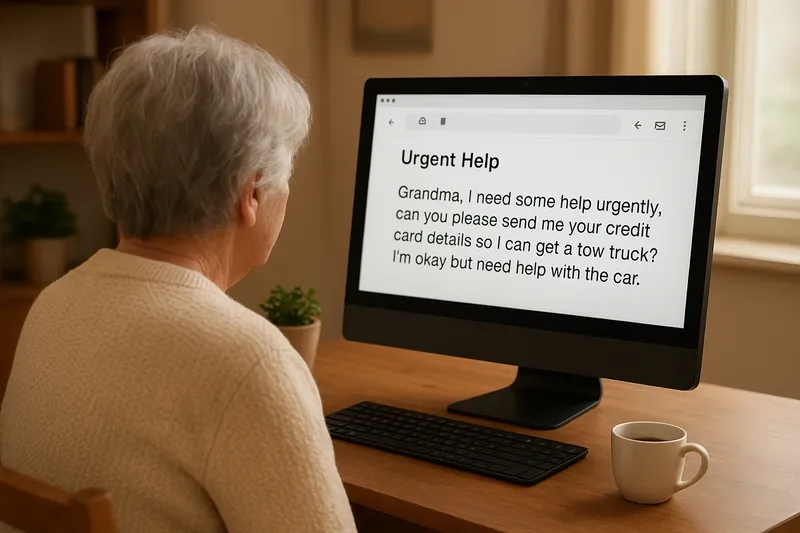
🚩 1. Be Wary of Urgent Messages
If someone contacts you claiming there’s an emergency — your bank account is frozen, a loved one is in danger, or you owe money to the government — pause before you act.
Scammers rely on fear and urgency to make people react quickly.
What to do:
- Hang up and call the company or person directly using a verified phone number.
- Never click on links or download attachments from unknown sources.
- Take a deep breath and verify first — real organizations will always give you time to confirm.
💻 2. Keep Your Technology Secure
Protecting your devices is one of the easiest ways to block scammers.
Tips:
- Use strong passwords — and never reuse them.
- Turn on two-step verification for important accounts.
- Keep your computer, phone, and antivirus software updated.
- Avoid banking or shopping online while using public Wi-Fi.
💰 3. Watch for “Too Good to Be True” Offers
If an offer seems unbelievable, it probably is. Scammers promise prizes, investments, or miracle products to get you to pay upfront or share your information.
Common scams include:
- “You’ve won!” prize notifications asking for a small payment.
- Calls about new government benefit programs or health plans.
- Investment opportunities that guarantee big returns.
Always:
Talk to a trusted friend, family member, or financial advisor before sending money or giving out details.
📞 4. Don’t Trust Caller ID
Technology allows scammers to fake phone numbers — it might look like your bank, the CRA, or even a neighbour calling.
Remember:
- Legitimate companies will never ask for payment via gift cards, cryptocurrency, or wire transfer.
- If something feels off, hang up and call back using an official number.
💌 5. Protect Your Personal Information
Identity theft often starts with just a few small details.
Protect yourself by:
- Shredding old bills, statements, and documents.
- Keeping your SIN, passwords, and banking information private.
- Being careful about what you share on social media.
🧠 6. Stay Informed and Talk About It
The more we share, the safer we all become. Talk with friends, neighbours, and family about scams — chances are, they’ve seen or heard about one too.
Helpful Resources:
❤️Final Thought
You’ve built a life full of experiences, knowledge, and independence — don’t let anyone take advantage of that. Stay alert, stay curious, and remember: if something doesn’t feel right, it probably isn’t.
At Older Not Old, we’re here to help you live confidently — online and beyond.